
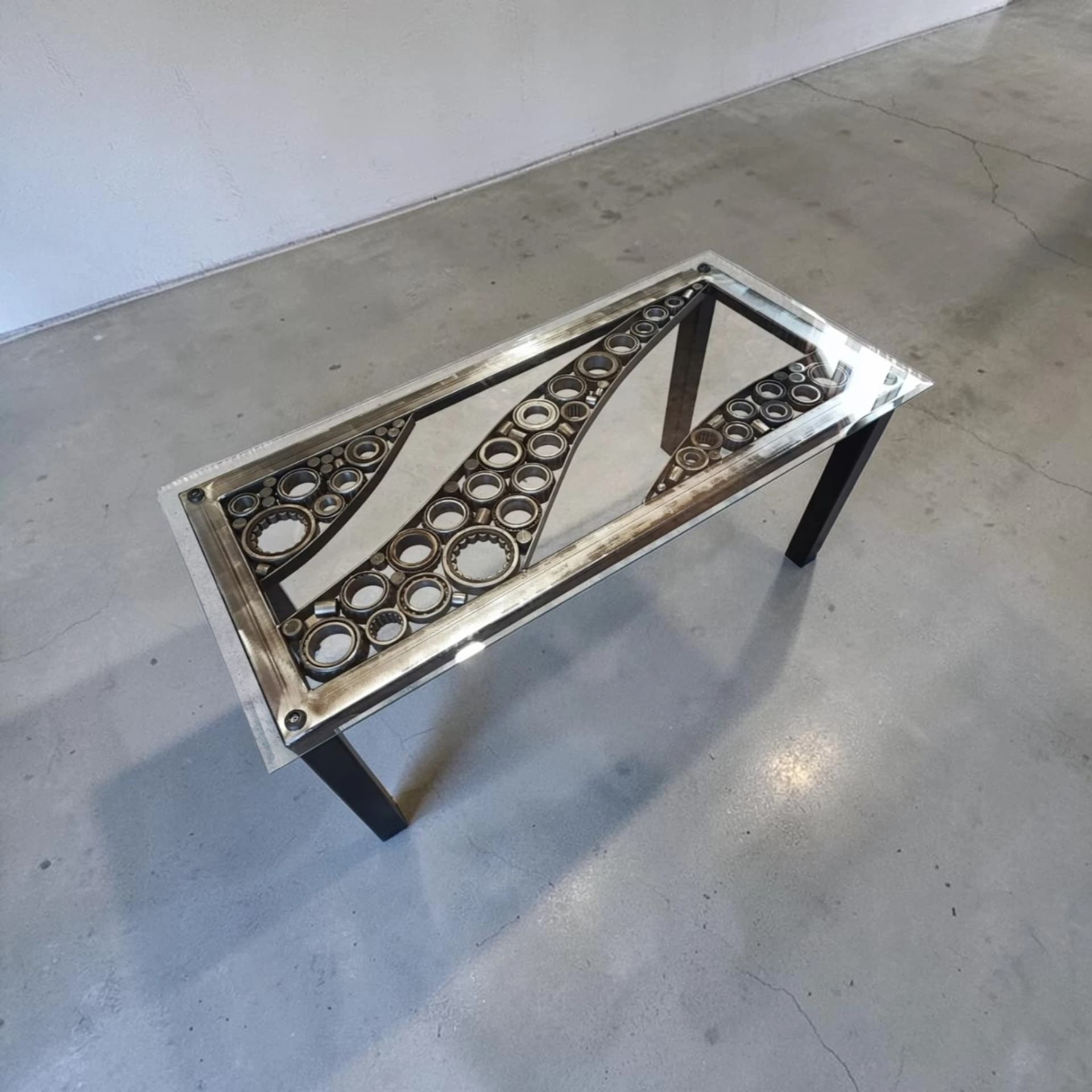
Art deco paintings
Symmetry, gold, strong lines: the most decorative language painting ever produced.
Art deco was born in Paris in the 1920s and was designed from the start to decorate: symmetry, stylised figures, fan and sunburst motifs, metallic accents. A century later it remains the easiest historical style to live with, because it was made for interiors rather than for museums.
The pieces here are originals painted today in that language, not reproductions of period posters. They sit naturally with brass, dark wood, marble and velvet, and they hold a hallway or a dining room better than almost anything else.
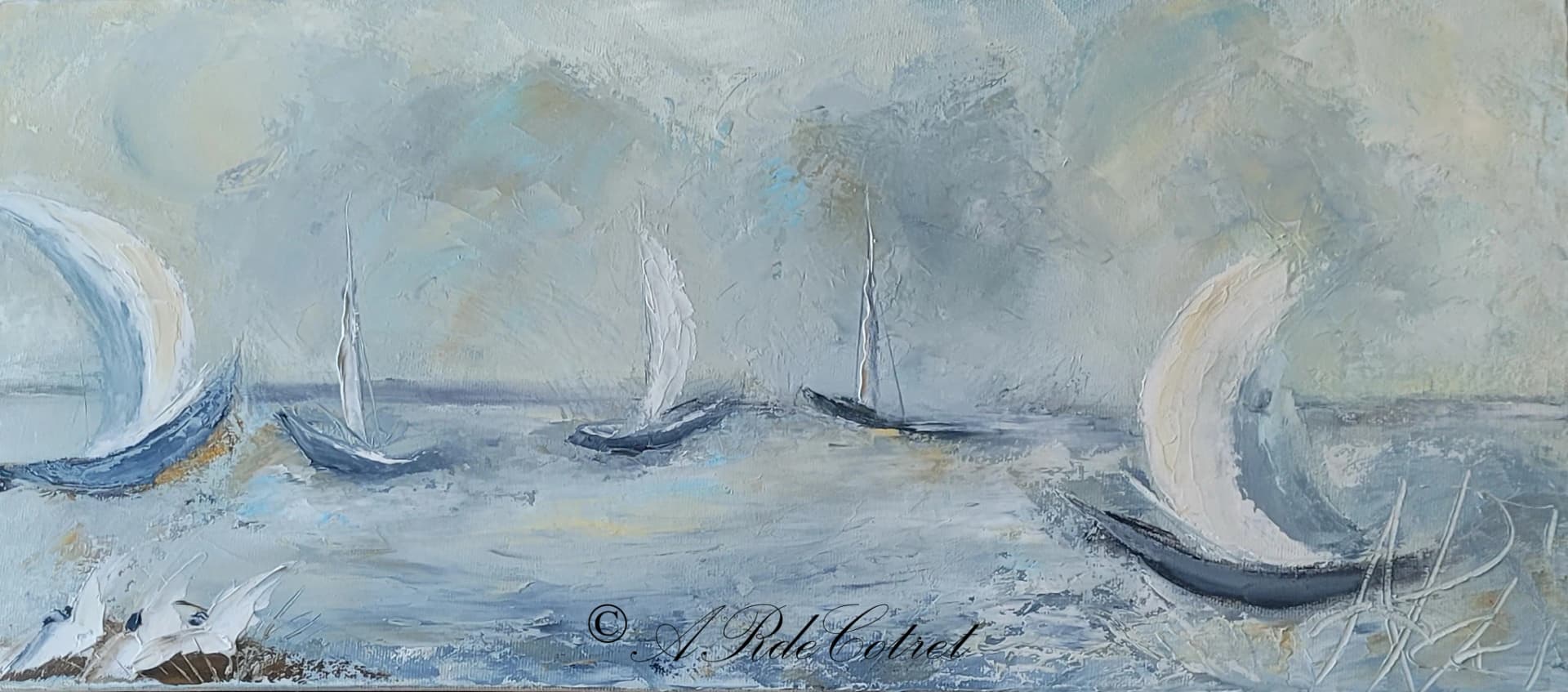
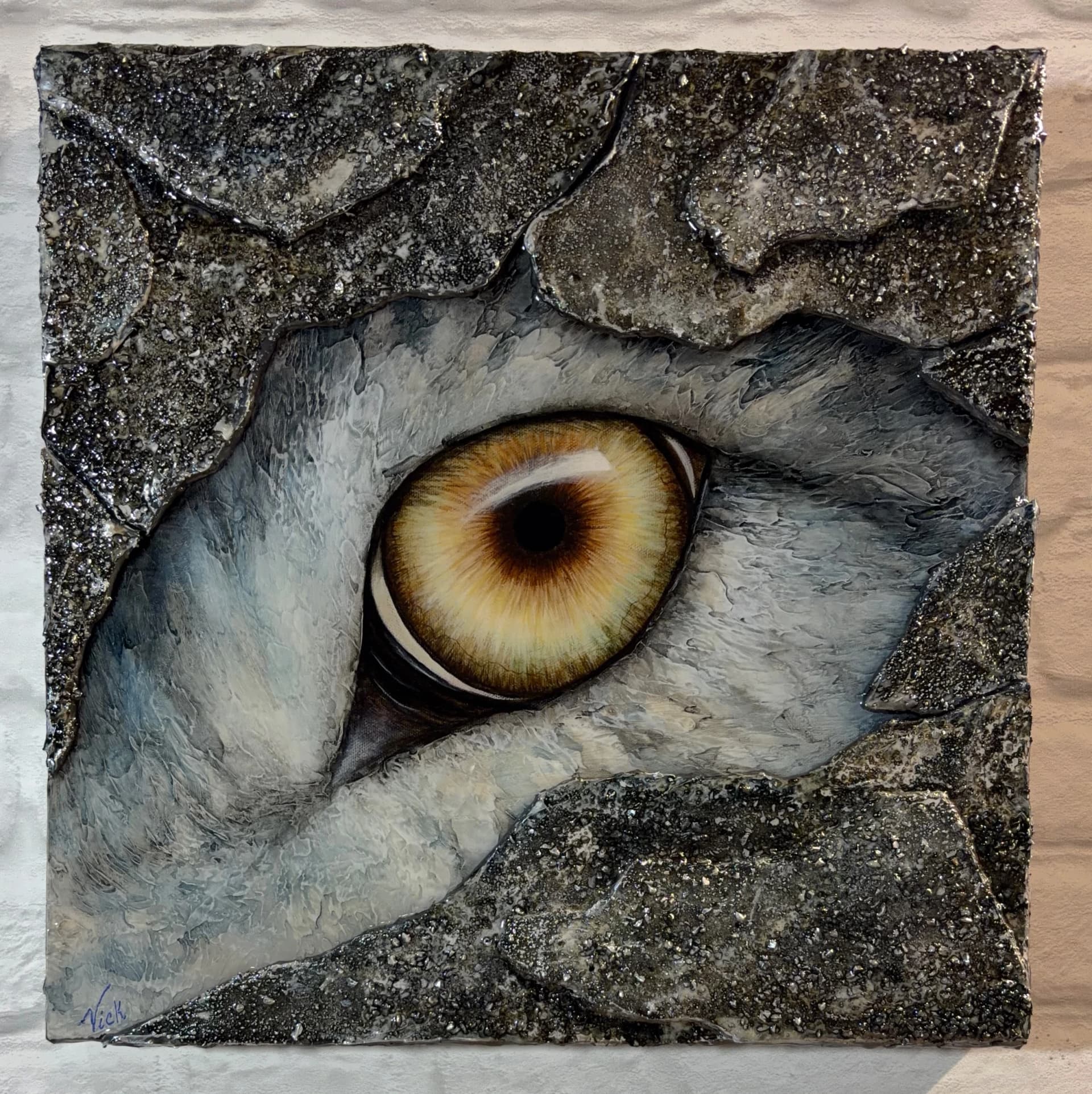
Featured original paintings
See all paintings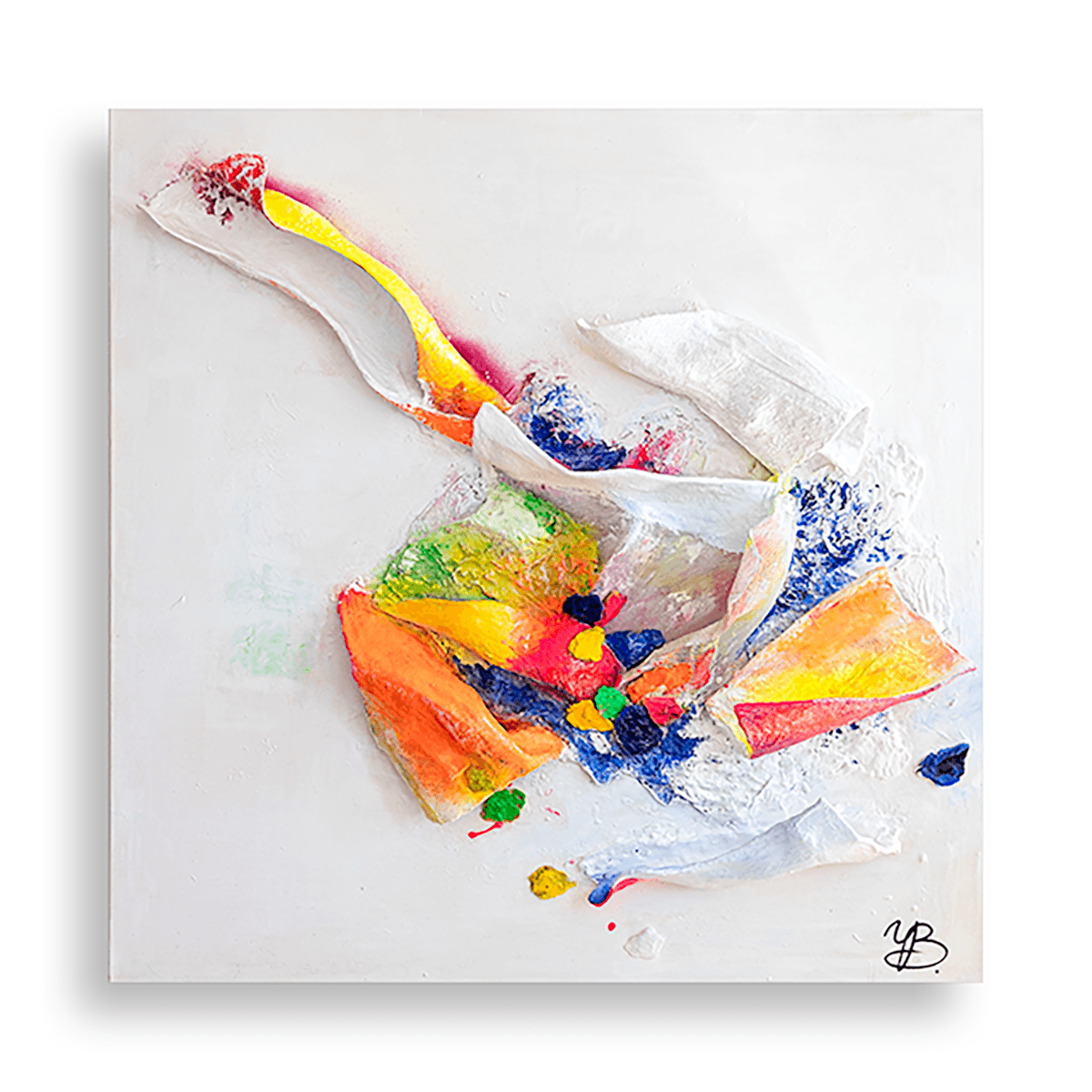
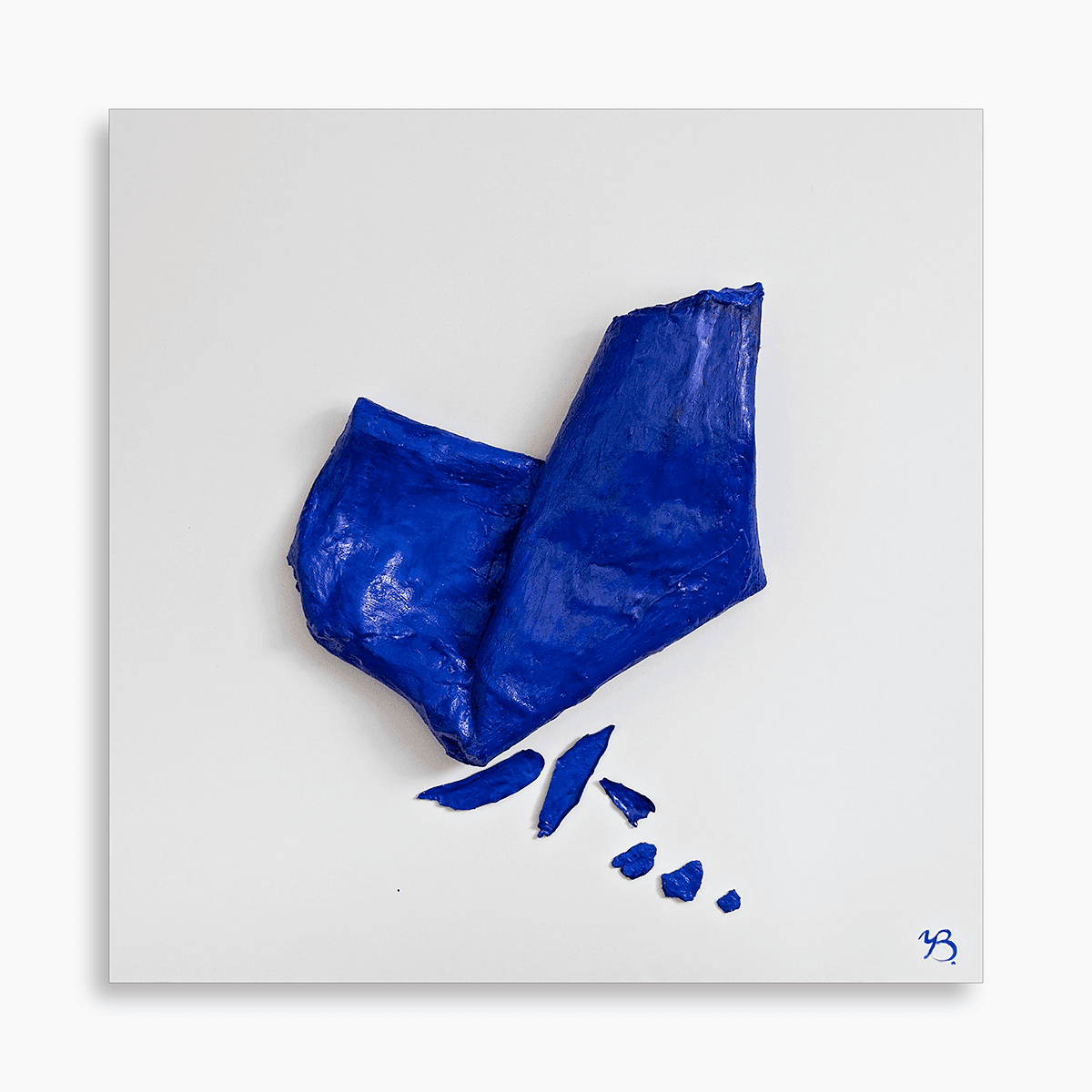
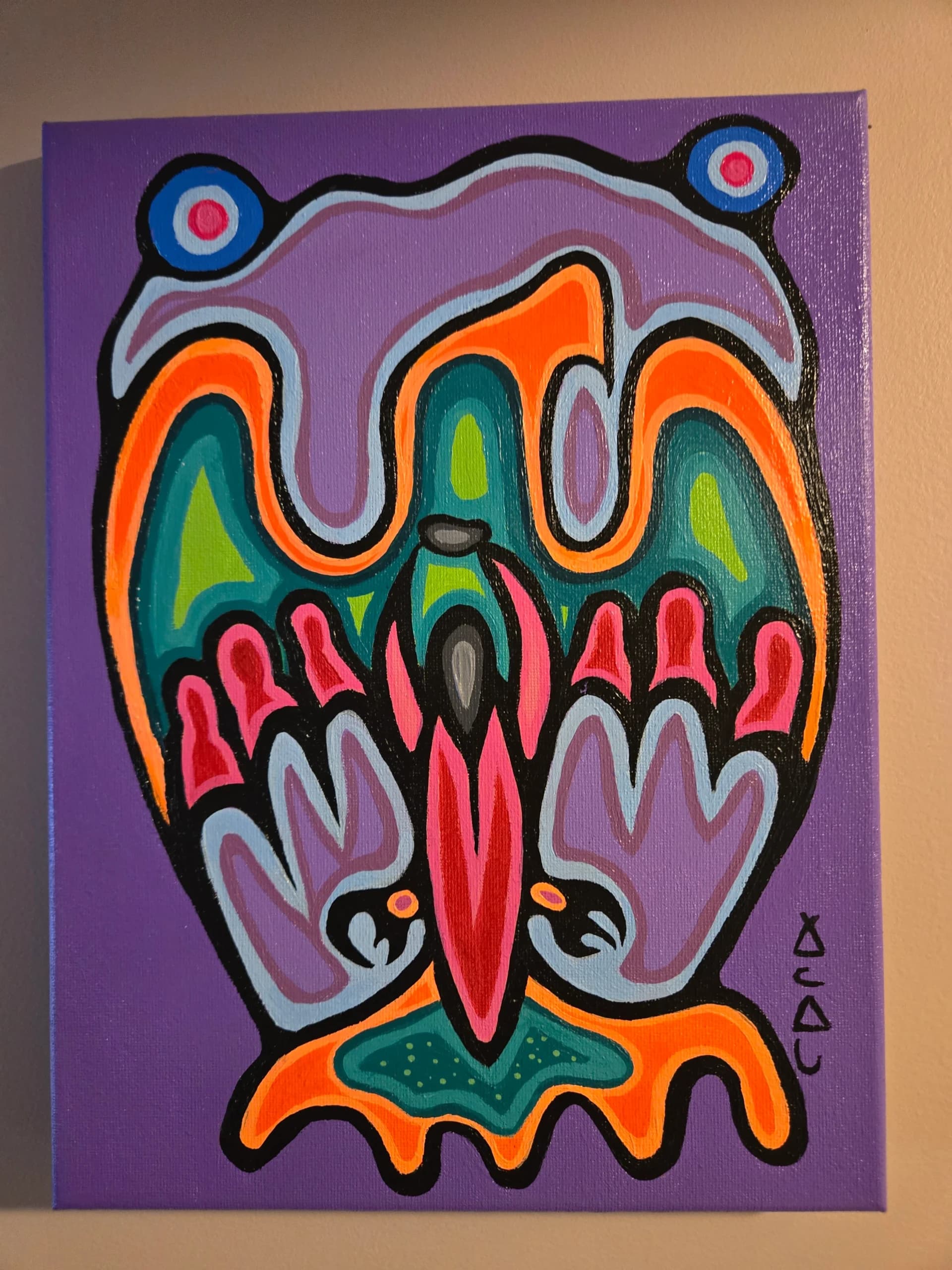
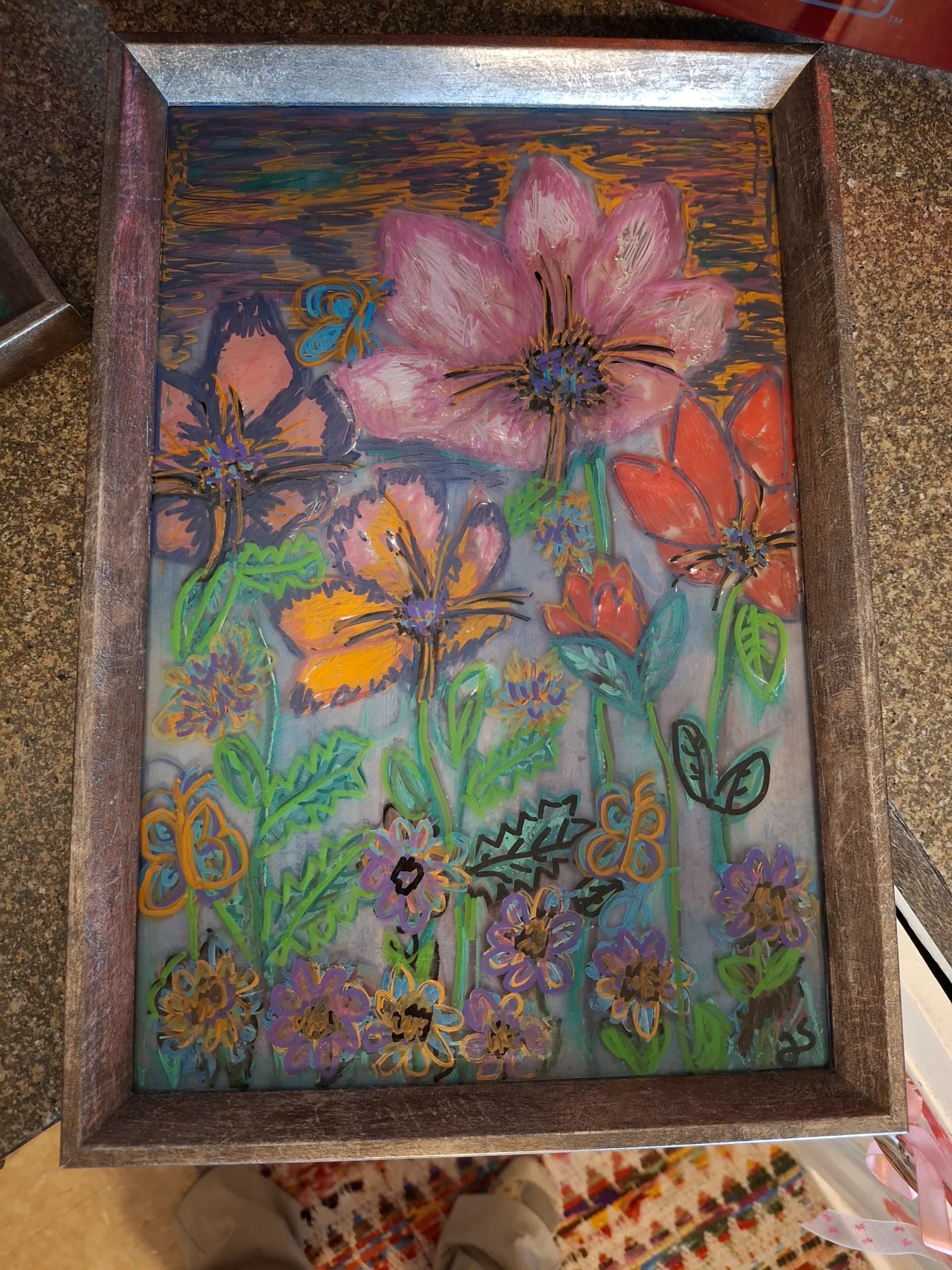

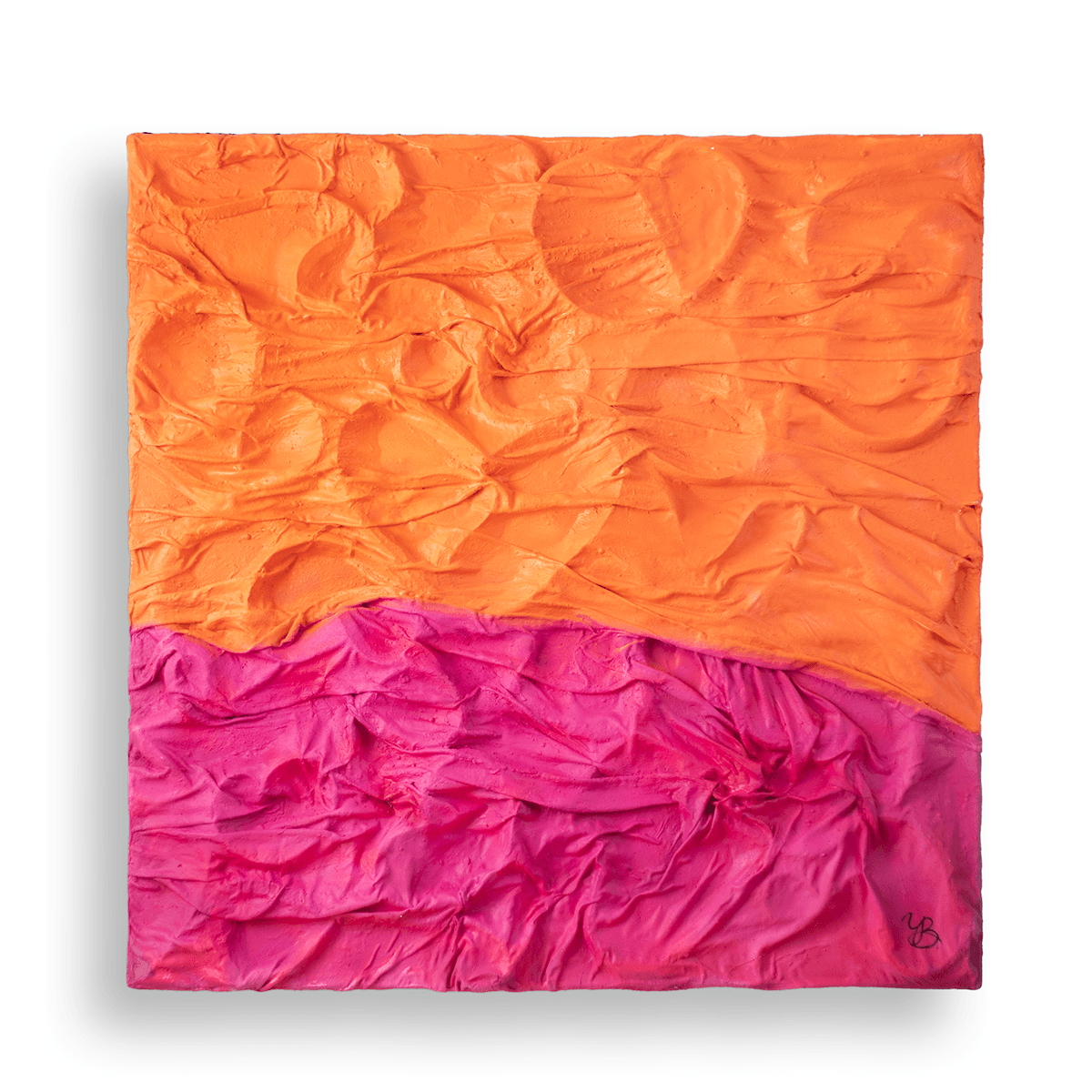

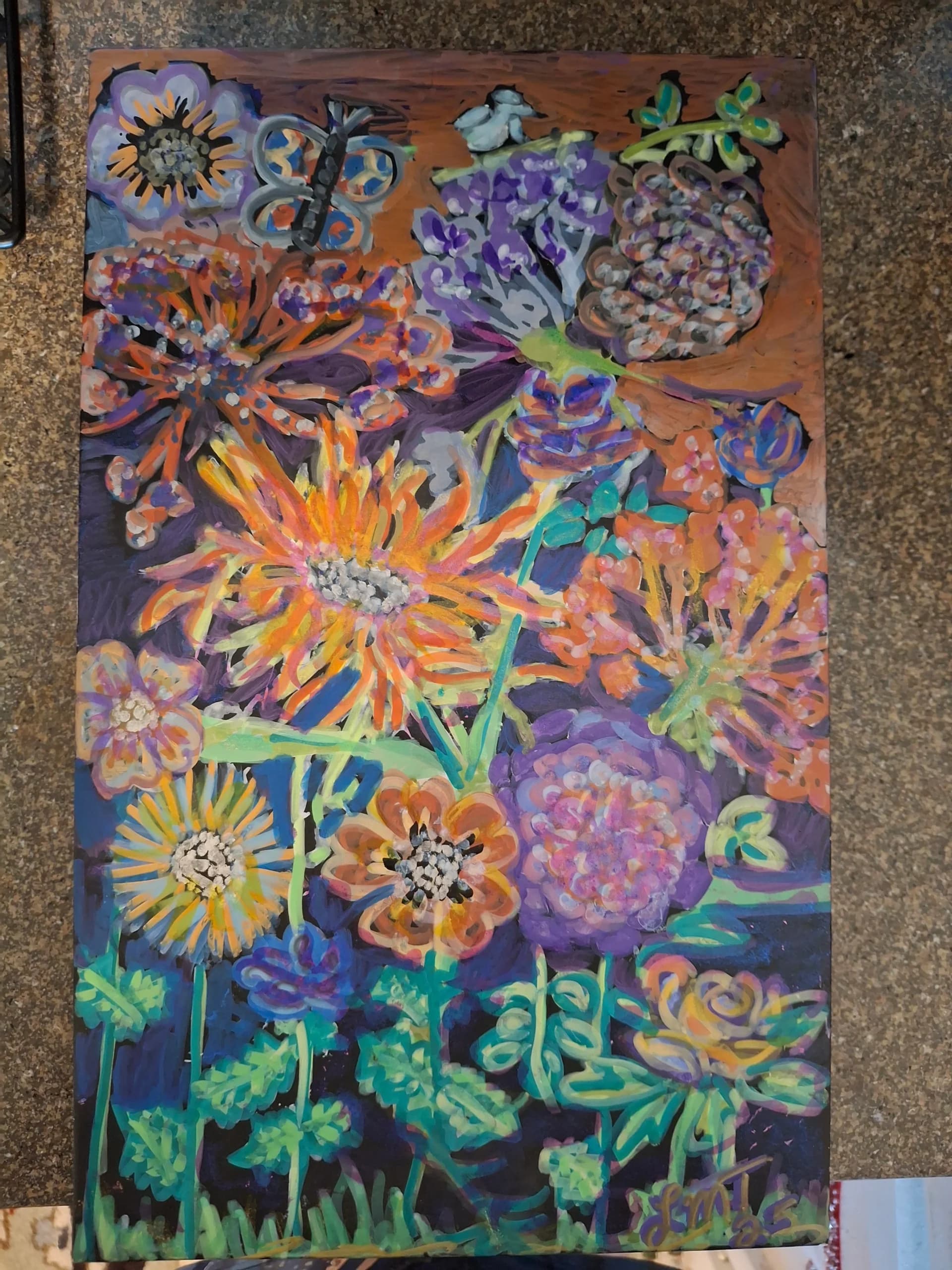
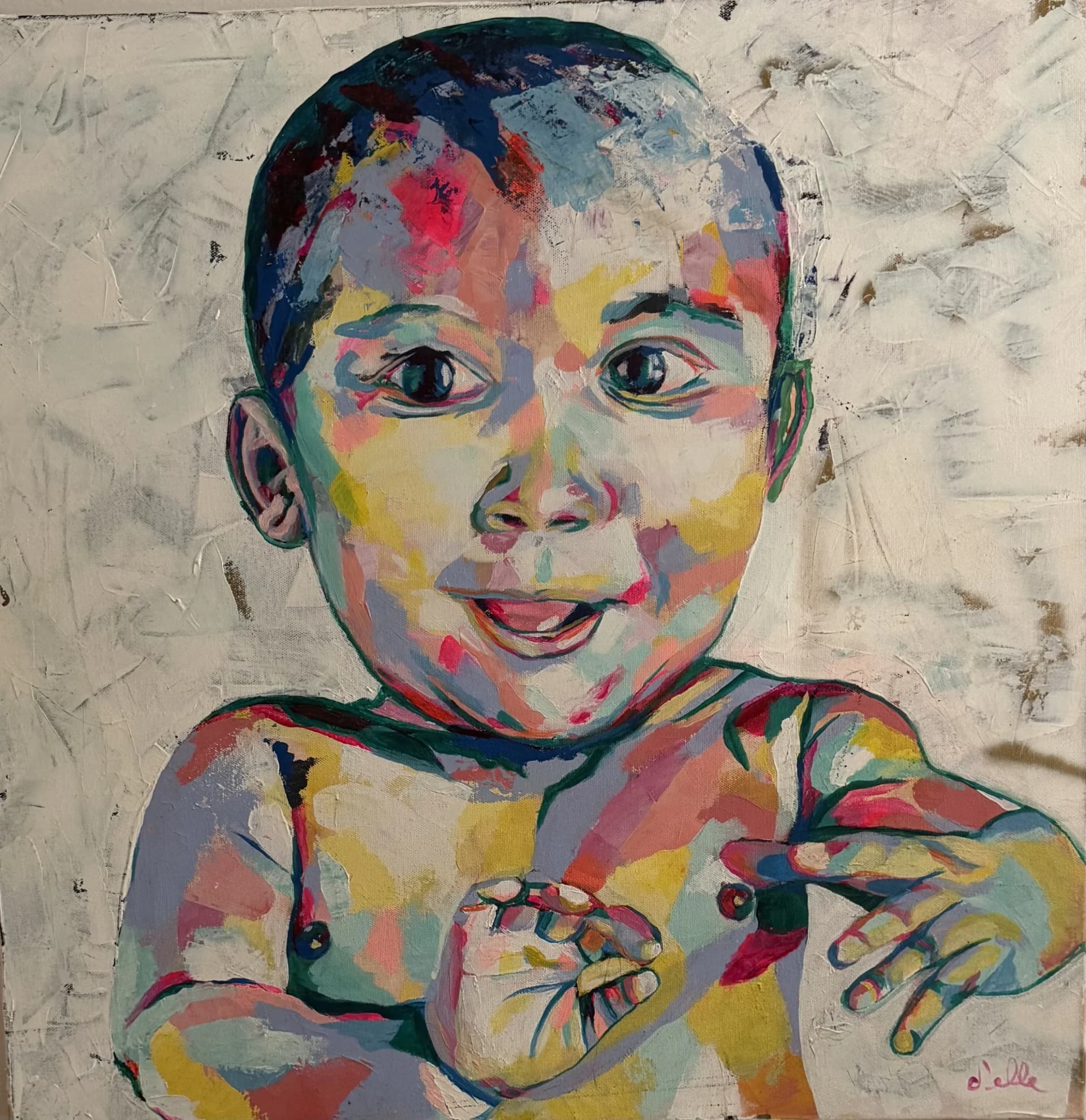
Painted by real professional artists
Every painting is an original, signed by one of the 249 professional artists represented by L'Original.
Meet the artists
Written by
Dorian Verdier
Founder of L'Original · HEC academic author on the democratization of art
Dorian Verdier founded the first gallery of its kind in North America and has spent ten years making original art accessible. His academic work at HEC focuses on the democratization of art, the same conviction that guides every collection on L'Original.
Discover the story of L'OriginalSecure payment
100% secure transactions
Free shipping
on all orders
Returns within 14 days
In their original packaging
Authenticity guaranteed
Certificate of Authenticity
Visit our galleries
4.9350+ reviews
Frequently asked questions
What is art deco style in painting?
A decorative language from the 1920s and 1930s built on symmetry, geometry and stylised figures, often with gold or metallic accents.
It came out of the 1925 Paris exhibition that gave the movement its name.
Does art deco only work in a period apartment?
No. Because the style is geometric, a single art deco piece reads well in a plain modern room, where it supplies the ornament the architecture does not.
It is the accumulation of period furniture, not the artwork, that dates a room.
Which colours go with an art deco painting?
Deep greens and blues, black, cream, and a metallic accent.
Two strong colours plus one metal is the classic combination; adding a third strong colour is usually what tips the room into pastiche.
Go further
Trusted resources to deepen your understanding of painting and wall art: