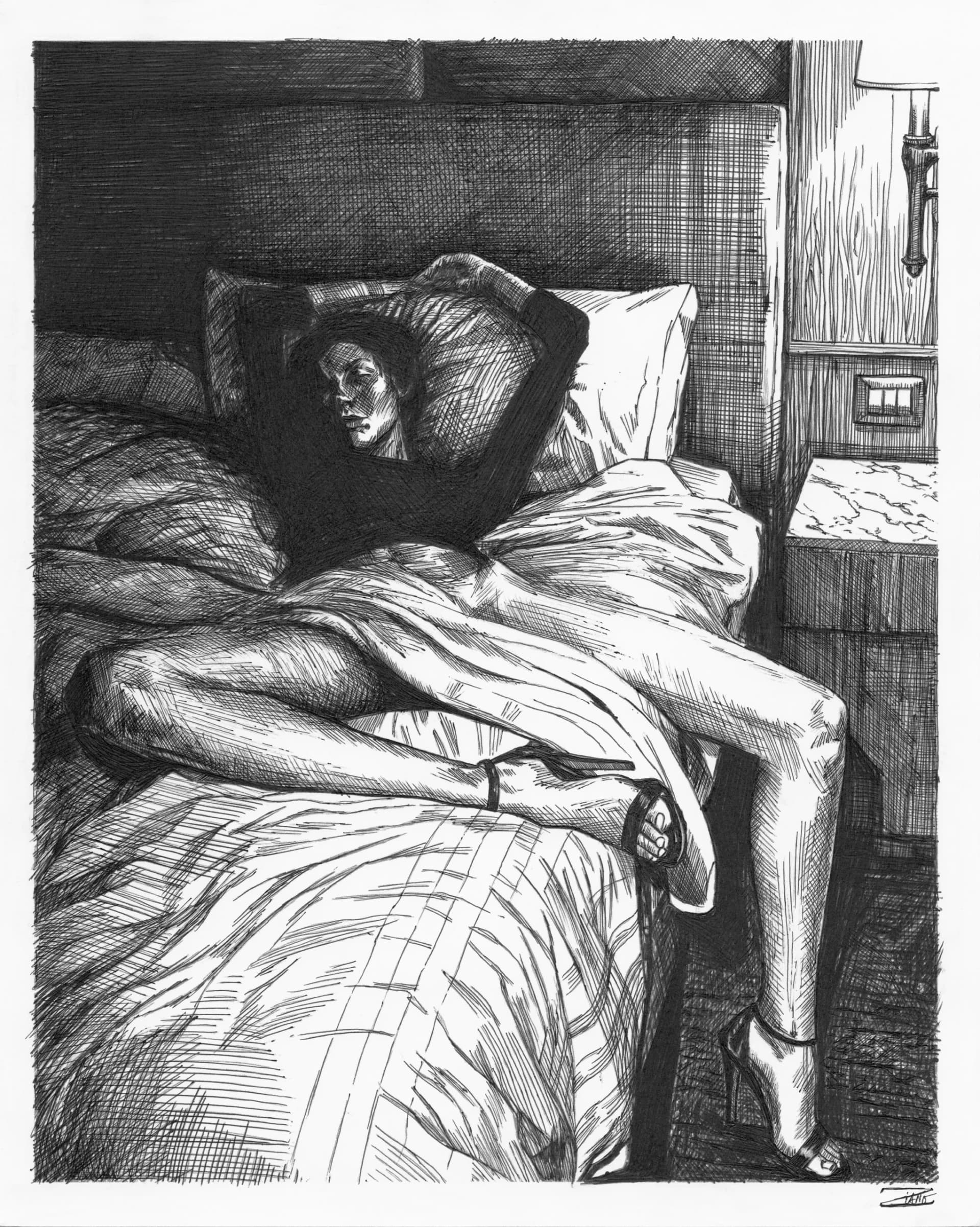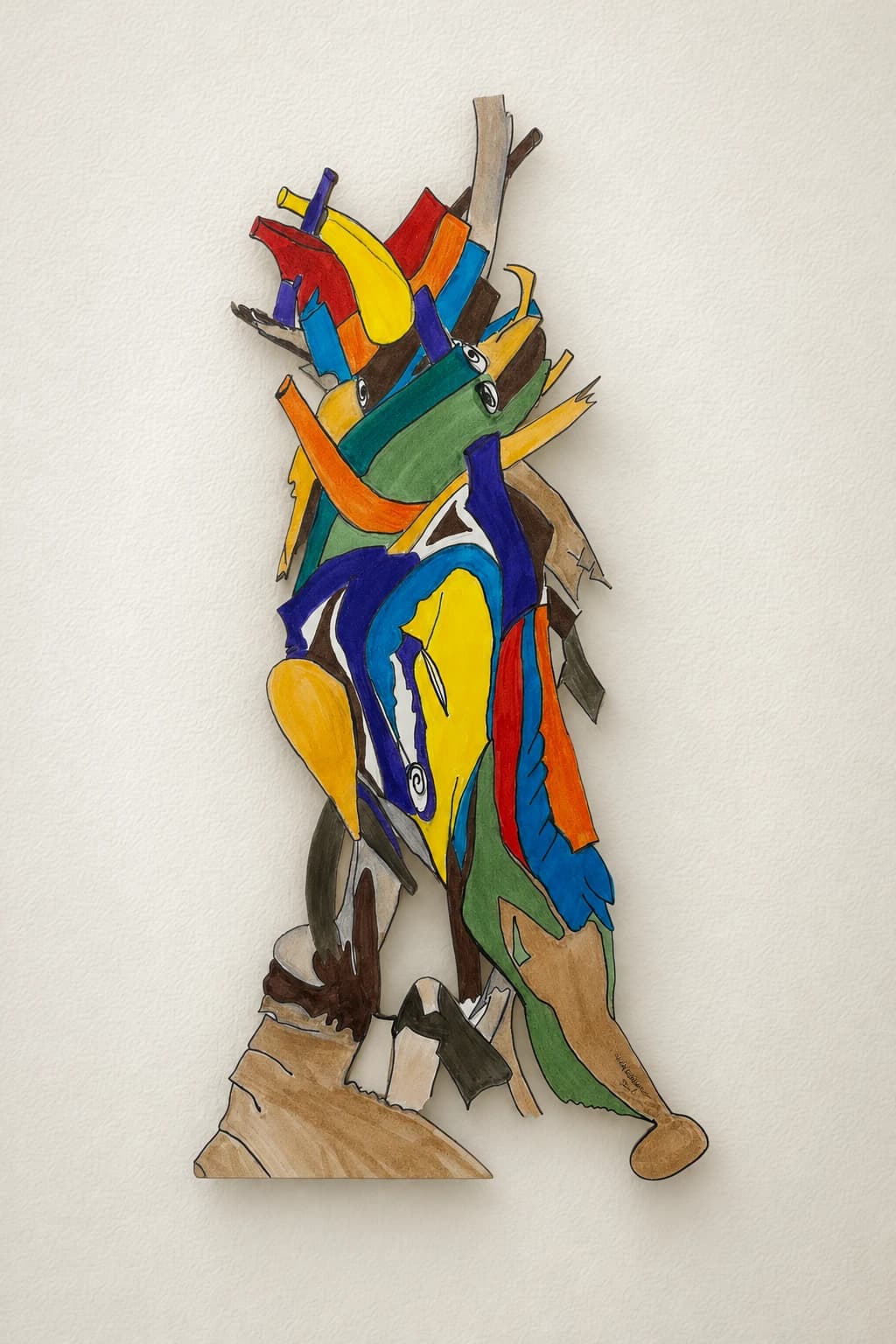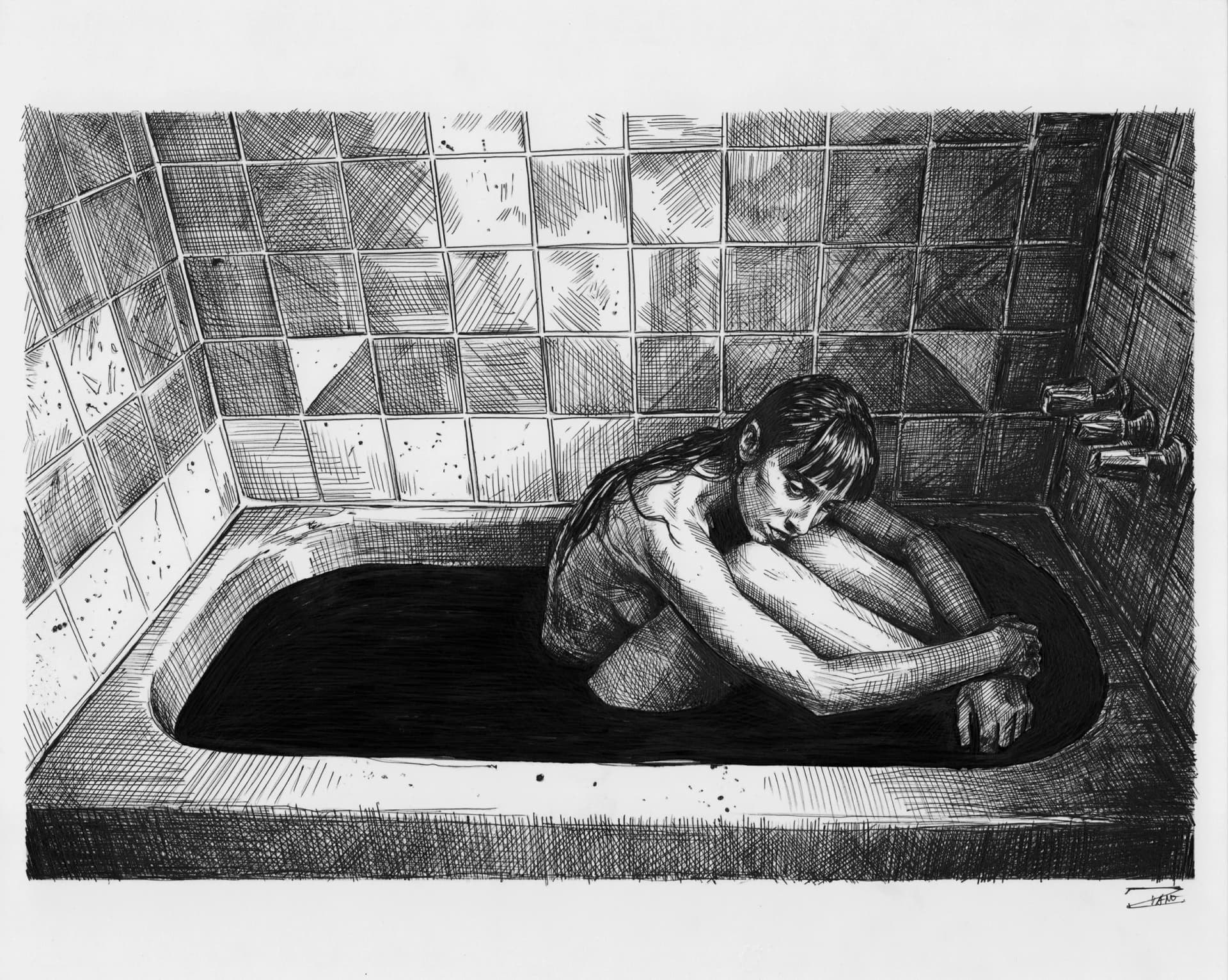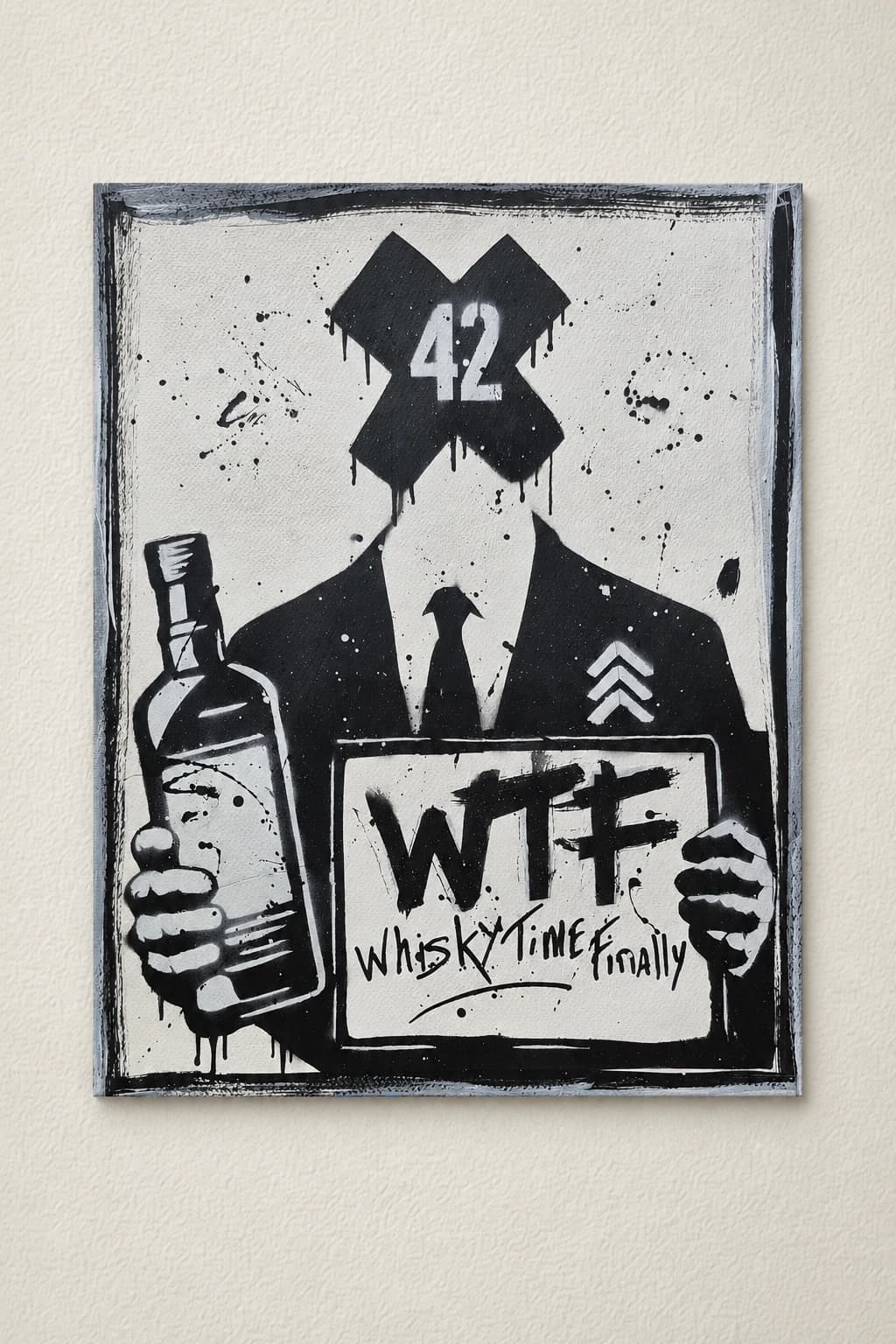

Set a yearly budget, not a price per piece
Start with an amount per year rather than a price for one work. If you can put aside CA$500 a year, that could be one small painting, or two works on paper. After five years you own five to ten originals, and that is already a collection. A yearly figure also keeps you from buying the first thing you see just because it fits the budget.
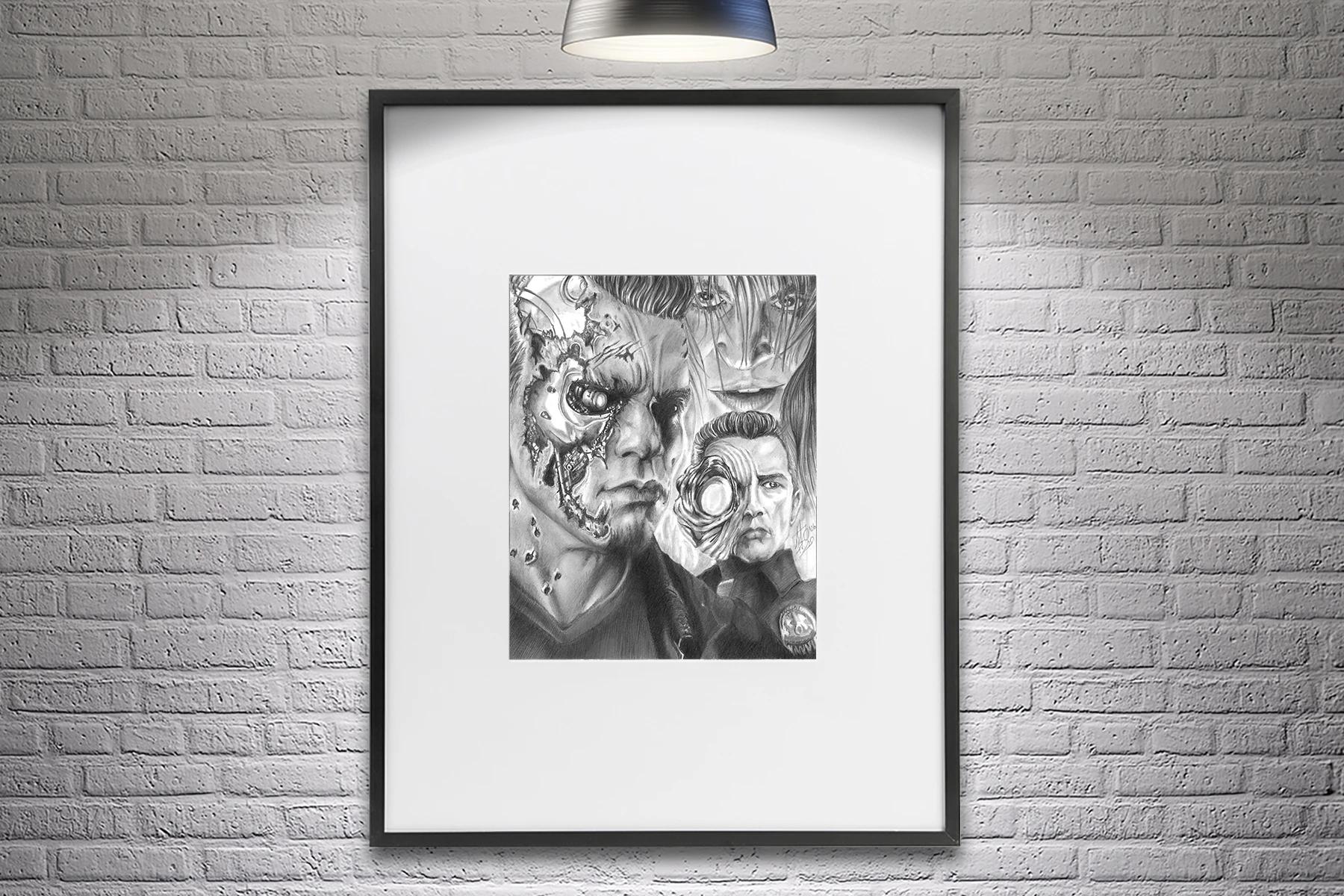
Keep part of that amount for framing. A drawing or a watercolour often arrives unframed, and a proper frame with a mat can add a real share to the cost of the work. Ask the seller how the piece is delivered before you decide.
Your first purchase: buy what you would hang today
The first work teaches you more than any guide. Pick something you want to see every day, in a size that fits a wall you already have. Measure the spot before you start looking. A piece of 30 x 40 cm (12 x 16 in) fits above a desk, beside a door or on a shelf, so you do not need a large empty wall to begin.
Do not buy as an investment. The resale market for early-career artists is small, and nothing guarantees you will get your money back. Buy because the work stays with you and because you want to support the person who made it. If the artist's career takes off, that is a bonus.
Where to find original art at small prices
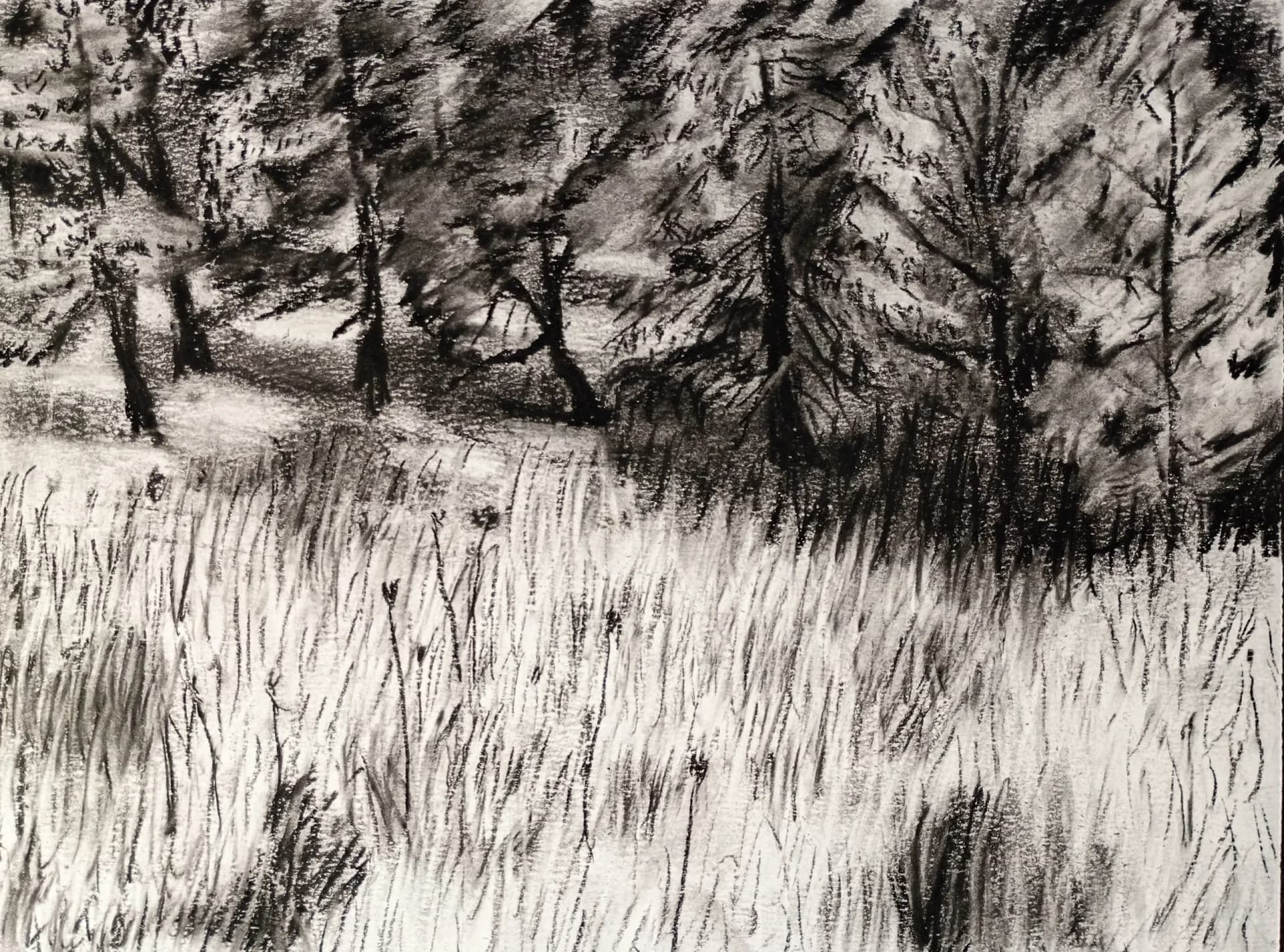
The best prices are usually close to the artist: art school graduation shows, open studio weekends, artist-run centres, small local fairs and galleries that work with emerging artists. You can ask how the piece was made, see other works from the same series and often meet the artist. Look at a lot of work before you buy, and note which pieces you still remember a week later.
Online, favour sellers that give the exact size, the technique, the support and the artist's name for every work, and that say clearly whether it is an original or a reproduction. If a listing leaves one of those out, ask before paying.
L'Original is a non-profit gallery founded in Montréal in 2017. We show more than 850 living artists, mostly emerging and mid-career, and a selection committee reviews every application; only physical original works are accepted. Signed originals start at about CA$125, the price shown already includes the average shipping cost, and each work comes with a certificate of authenticity. Our two galleries, in Old Montréal and on the Plateau-Mont-Royal, are open every day from 11 a.m. to 6 p.m., with free entry.
Small formats and works on paper give you more for the money
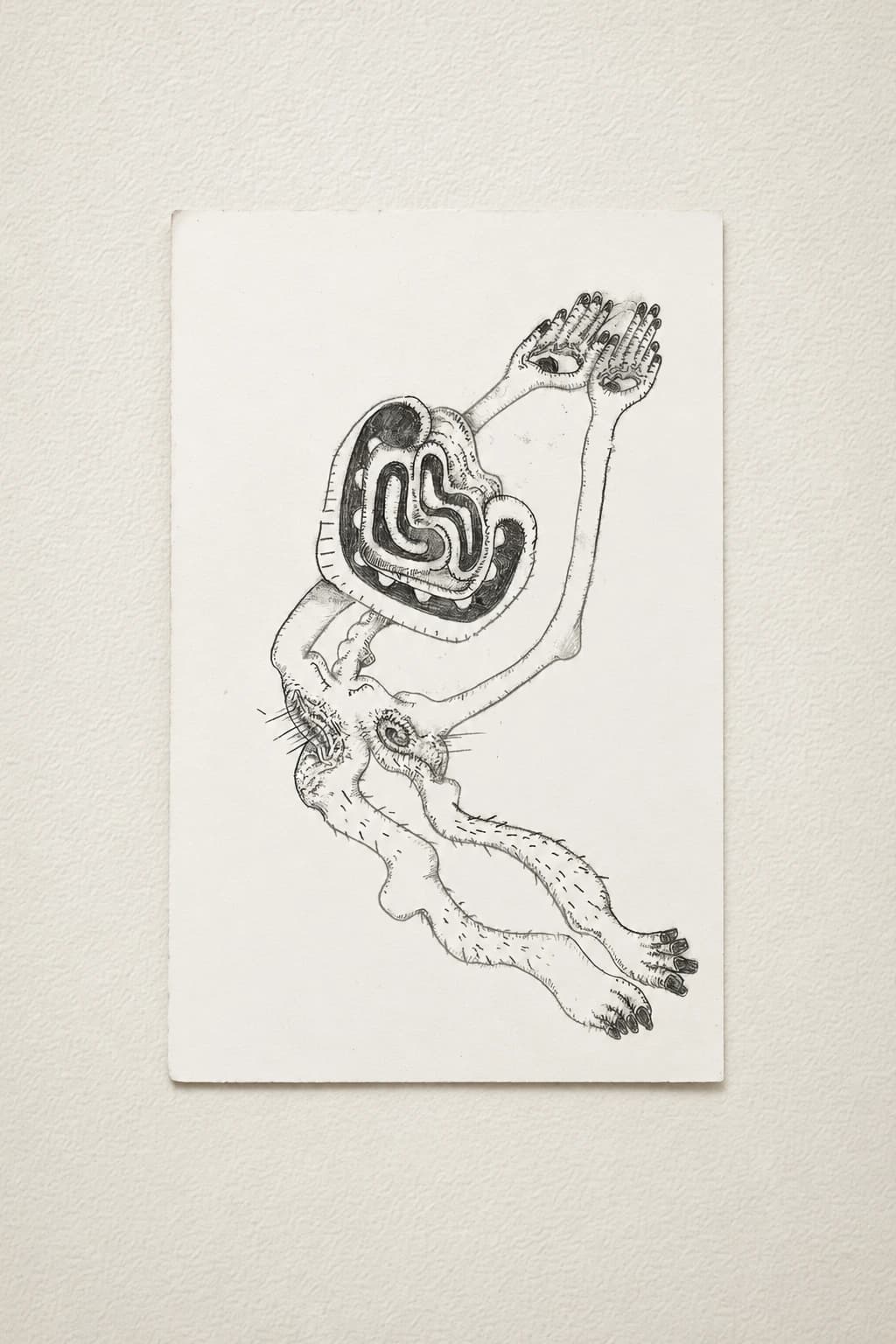
The price of an original usually follows its size. At L'Original, for example, artists set their own prices but cannot go below $1 per square inch, so a 12 x 16 in (30 x 40 cm) painting cannot be listed under CA$192. A small canvas, a drawing, a watercolour or an ink study lets you own the work of an artist whose large canvases are out of reach for now.
Paper needs a little care. Frame it behind glass or acrylic that filters UV, with an acid-free mat thick enough that the paper never touches the glazing, and hang it away from direct sun. The Library of Congress warns that light damage to paper is permanent: fading, yellowing and brittleness do not reverse.
How to spot a print sold as an original
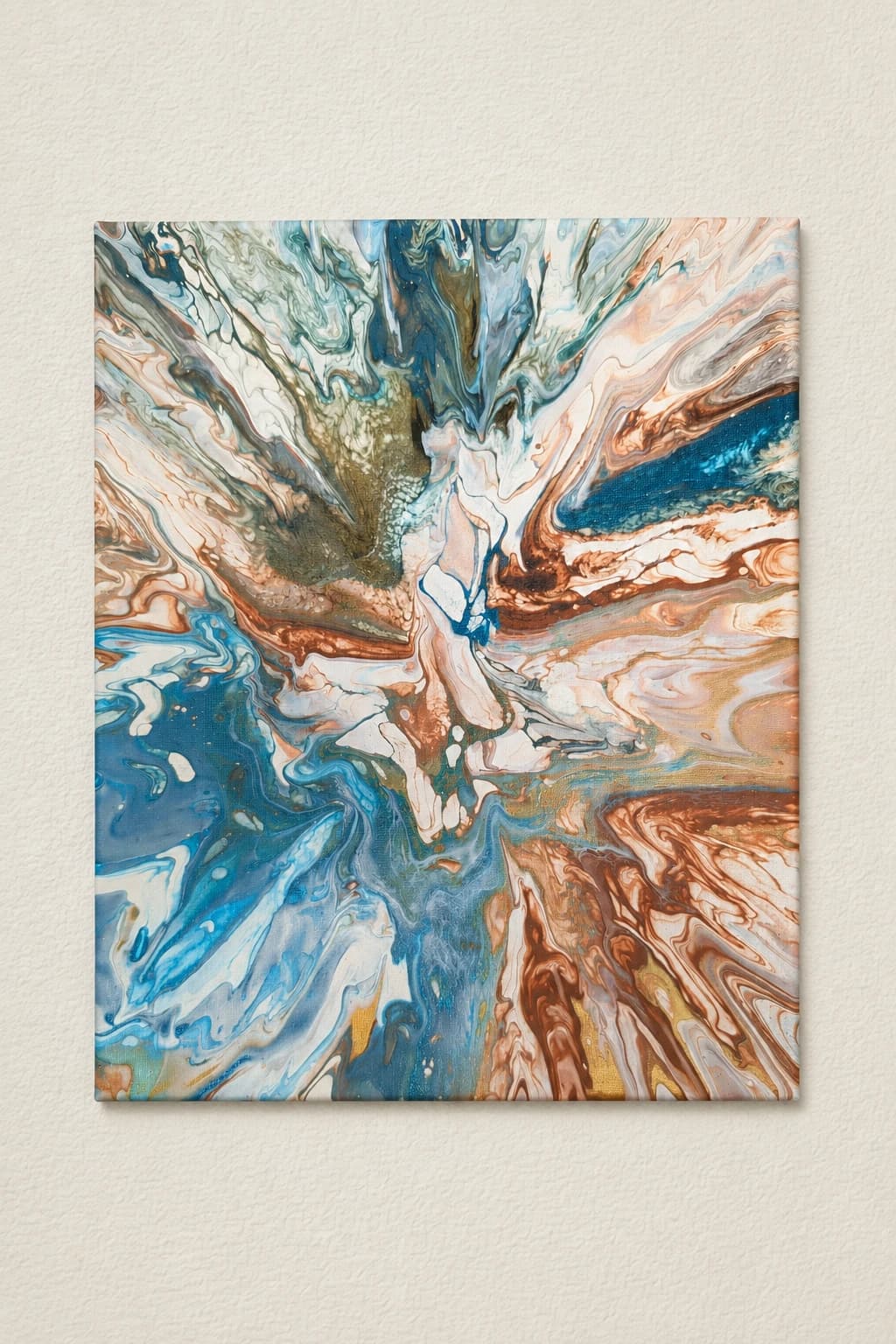
A giclée is an inkjet reproduction made to be sold as fine art. In a photo, a good one is hard to tell from a painting, and some sellers describe them with vague words such as "original artwork" or "hand-signed canvas". Ask for the technique and support in plain terms, for example acrylic on canvas or watercolour on cotton paper. Look at the surface up close, or ask for a photo taken at an angle: paint has relief, brush marks and uneven edges, while a print is flat. A number such as 12/100 next to the signature means an edition, not a unique work. Finally, ask for a certificate of authenticity that names the work, its size and the artist.
Prints have their place. A limited edition, signed and numbered by the artist, is a fair way to own an image you love when the original is beyond your budget. It should simply be described and priced as a print.
Build the collection over the years
Keep a simple record for each work: title, artist, size, technique, price, date and place of purchase, plus the certificate. Photograph the front and the back. A spreadsheet is enough, and it helps for insurance and later if you lend, give or sell a piece.
After a few purchases you will notice what links the works: a palette, a subject, a city, or a few artists you have followed from the start. Many collectors come back to an artist for a second or third piece years later, often at a higher price, and that is good news for both of you.