
Art and Artificial Intelligence
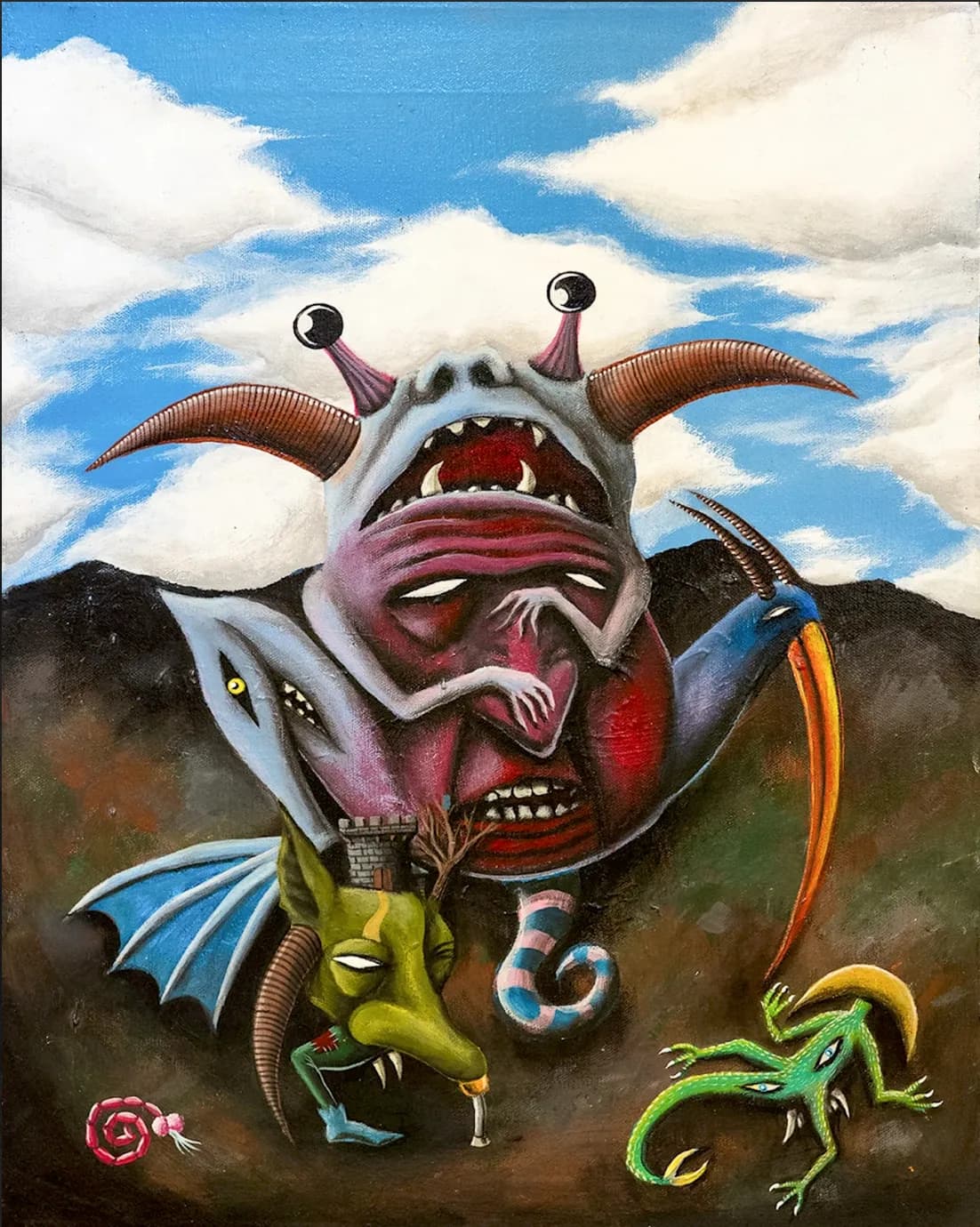
The emergence of artificial intelligence in the artistic domain constitutes one of the most fascinating and controversial revolutions of our time. This technology challenges our traditional conceptions of creativity, originality, and the very nature of art.
A New Form of Creation
Generative AI systems like DALL-E, Midjourney, or Stable Diffusion can now produce visually striking images from simple textual descriptions. These tools, based on neural networks trained on millions of images, are capable of imitating different artistic styles and creating works that seem to come from human imagination. This capability raises a fundamental question: can these productions be considered authentic art?
The Question of Authorship
AI-generated art blurs the traditional boundaries of artistic authorship. Who is the true author of a work created by a machine: the developer who designed the algorithm, the user who formulated the request, or the AI itself? This ambiguity challenges our legal conceptions of copyright and our philosophical notions of artistic intention and personal expression.
AI as a Tool or as an Artist?
Some consider AI simply as a new tool in the artist's arsenal, comparable to a brush or a camera. Others see it as the emergence of a form of non-human creativity, capable of producing original and meaningful works. This distinction is not merely theoretical: it has profound implications for how we value and interpret these creations.
Ethical Issues
AI-generated art also raises important ethical questions. AI models are trained on datasets that often include works protected by copyright, without compensation for the original artists. Moreover, these systems can perpetuate or amplify biases present in their training data, raising concerns about representation and diversity in AI-generated art.
Impact on the Art Market
The growing accessibility of generative AI tools is also transforming the economy of art. On one hand, it democratizes artistic creation by allowing people without technical training to produce visually impressive images. On the other hand, it raises concerns about the devaluation of human artists' work and the saturation of the market with mass-generated works.
Towards a New Aesthetic
Beyond debates on authenticity and ethics, AI-generated art could well give rise to new forms of expression and a distinct aesthetic. Collaborations between human artists and AI systems open unprecedented creative possibilities, exploring visual and conceptual territories previously unexplored.
The Future of Art in the AI Era
As AI technologies continue to evolve, their impact on the art world will only deepen. Rather than seeing AI as a threat to human art, we could consider it as an invitation to fundamentally rethink what it means to create and appreciate art. In this dialogue between human and machine, new forms of beauty and meaning could well emerge.
In exploring these questions, we are not only interrogating the future of art but also what fundamentally defines our humanity in the digital age.
For the latest news, follow us on Instagram
@loriginal_org10.6k followers161 posts